

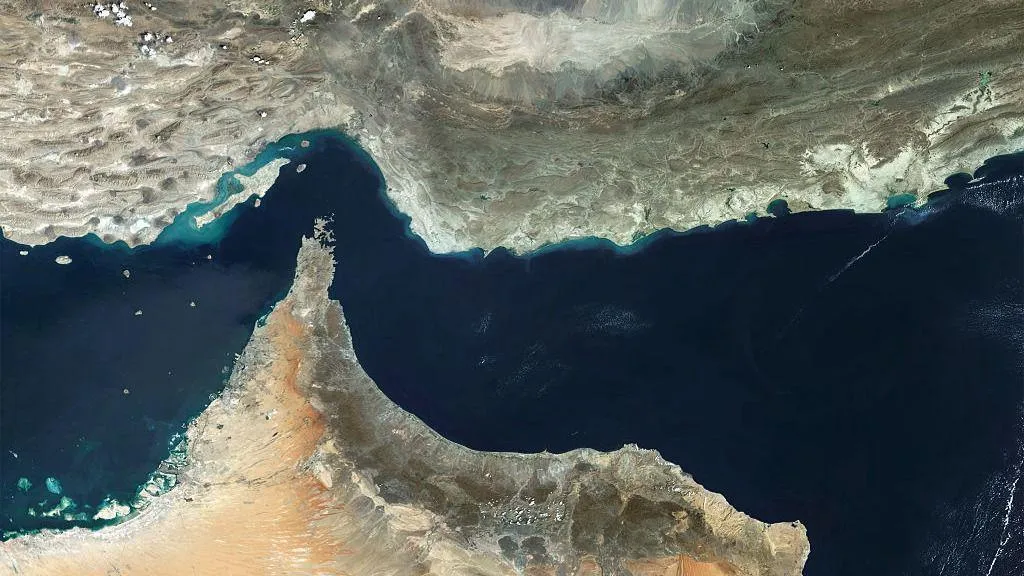
DUBAI — A sweeping blockade of the Strait of Hormuz following joint US-Israeli strikes on Iran has effectively severed one of the world’s most vital energy corridors, triggering extreme volatility in global fuel prices and sparking widespread supply disruptions across Asia, Europe, and Africa.
The narrow waterway—measuring just 21 miles wide at its narrowest point between Iran, Oman, and the United Arab Emirates—handles roughly 20% of the world’s oil and liquefied natural gas (LNG) transit. According to US Energy Information Administration estimates, approximately 20 million barrels per day of crude and refined products passed through the strait in 2025, representing nearly $600 billion in annual energy trade.
Since hostilities erupted on Feb. 28, daily vessel transits through the choke point have plummeted from an average of 138 ships to a mere fraction. Tehran effectively closed the corridor by threatening merchant vessels with drones, anti-ship missiles, fast attack craft, and sea mines, demanding that “non-hostile vessels” seek authorization from Iranian authorities or face potential transit fees.
“You can be attacked, and you can’t get insurance or it is extremely expensive,” said Arne Lohmann Rasmussen, chief analyst at Global Risk Management.
The disruption extends well beyond crude markets. The strait normally carries about 20% of global LNG shipments—primarily from Qatar—and one-third of the global fertilizer trade. It also serves as a critical import artery for food, medicine, and technology into Middle Eastern economies.
The economic fallout has hit Asian energy importers hardest, particularly China, which absorbs roughly 90% of Iranian crude exports. In response to mounting fuel deficits, several Asian governments have mandated remote work, shortened workweeks, and declared national holidays to conserve fuel reserves. Elsewhere, European nations including Slovenia have introduced fuel rationing, while countries in Africa have restricted electricity generation.
Efforts to bypass the choke point offer only partial relief. While Saudi Arabia’s East-West Crude Oil Pipeline and the UAE’s Fujairah pipeline can redirect some volume, analysts estimate that avoiding Hormuz still results in a net supply deficit of 8 million to 10 million barrels per day. Furthermore, alternative infrastructure at Fujairah has faced disruptions from drone strikes.
Washington has so far avoided deploying warship escorts into the strait, opting instead for air campaigns targeting Iranian anti-ship cruise missile positions and imposing a naval blockade on Iranian ports. However, with fragile ceasefires routinely breaking down, global energy markets remain on edge.
